
The Future of Energy: Clean Hydrogen and Its Role in a Sustainable World
As the global community moves toward cleaner, more sustainable energy sources, clean hydrogen is emerging as a key player in the transition to a low-carbon future. This versatile energy carrier offers vast potential to decarbonize sectors like transportation, manufacturing, and power generation, making it a critical solution in the fight against climate change.
What is Clean Hydrogen?
Clean hydrogen refers to hydrogen produced using processes that generate little to no greenhouse gas emissions. There are several methods to produce clean hydrogen, including:
1. Green Hydrogen: Produced via electrolysis, where water is split into hydrogen and oxygen using electricity from renewable sources like wind or solar. Green hydrogen is considered the gold standard of clean hydrogen production because it generates zero carbon emissions.
2. Blue Hydrogen: Produced from natural gas through steam methane reforming, but with carbon capture and storage (CCS) technology to prevent carbon emissions from entering the atmosphere.
Both green and blue hydrogen contribute to a more sustainable energy system by reducing the carbon footprint of traditionally carbon-intensive industries.
Why is Clean Hydrogen Important?
Clean hydrogen plays a crucial role in addressing some of the most significant challenges of decarbonization. Its versatility allows it to be used in various sectors:
- Power Generation: Hydrogen can be used to produce electricity in fuel cells, offering a clean alternative to fossil fuel power plants.
- Transportation: Hydrogen-powered fuel cell vehicles emit only water vapor, providing a zero-emission alternative to traditional gasoline and diesel-powered cars, trucks, and buses.
- Heavy Industry: Hydrogen is seen as a promising option to decarbonize heavy industries like steel, cement, and chemical production, which are difficult to electrify.
How is Clean Hydrogen Produced?
There are several key methods for producing clean hydrogen, each with varying levels of sustainability:
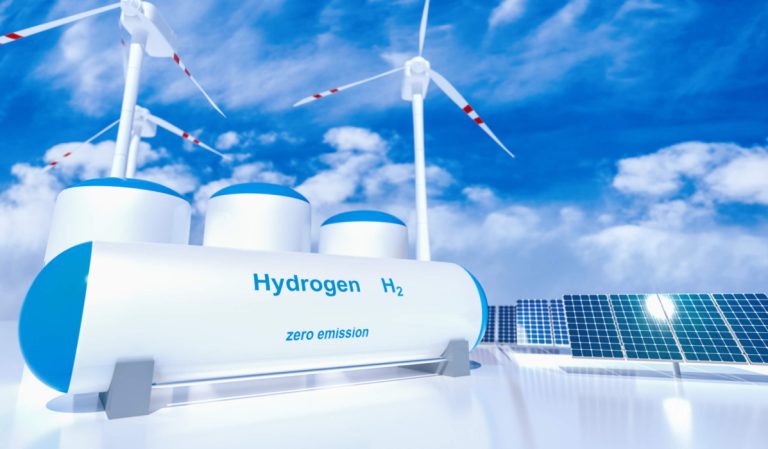
1. Electrolysis (Green Hydrogen): This process uses electricity from renewable sources (solar, wind, or hydropower) to split water into hydrogen and oxygen. The hydrogen produced is entirely carbon-free, making it the cleanest form of hydrogen available.
2. Steam Methane Reforming with Carbon Capture (Blue Hydrogen): In this process, natural gas is reacted with steam to produce hydrogen and carbon dioxide. The carbon dioxide is then captured and stored underground, preventing it from contributing to greenhouse gas emissions.
Benefits of Clean Hydrogen
1. Zero Carbon Emissions: Green hydrogen, in particular, produces no greenhouse gases during its production or use, making it a crucial tool for achieving net-zero emissions goals.
2. Energy Storage: Hydrogen can store excess energy produced by renewable sources like wind and solar, helping to stabilize the grid and ensure a steady energy supply during periods of low renewable generation.
3. Decarbonizing Hard-to-Abate Sectors: Industries such as steel production, shipping, and aviation are difficult to electrify, but clean hydrogen offers a viable pathway to reduce emissions in these sectors.
4. Energy Security: Hydrogen can be produced domestically, reducing reliance on imported fossil fuels and enhancing national energy security.
5. Fuel Flexibility: Hydrogen can be used in fuel cells to power vehicles, heat homes, and generate electricity, offering a wide range of applications across various industries.
Challenges Facing Clean Hydrogen
While clean hydrogen holds immense promise, there are several challenges that need to be addressed:
- Cost: Producing clean hydrogen, particularly green hydrogen, is currently more expensive than producing hydrogen from fossil fuels without carbon capture. However, as renewable energy costs continue to drop and production technologies improve, green hydrogen is expected to become more economically competitive.
- Infrastructure: A widespread hydrogen economy requires significant investments in infrastructure, including production facilities, pipelines, storage solutions, and refueling stations.
- Energy Requirements: The electrolysis process for producing green hydrogen requires a significant amount of electricity, meaning that large-scale hydrogen production must be paired with ample renewable energy capacity to remain environmentally beneficial.
The Future of Clean Hydrogen
The global push toward reducing carbon emissions is driving rapid advancements in clean hydrogen technologies. Governments and industries worldwide are investing in hydrogen infrastructure, research, and production to scale up its adoption.
- Hydrogen Hubs: Several countries are establishing hydrogen hubs—regions where clean hydrogen production, distribution, and consumption are concentrated—to accelerate the development of a hydrogen economy.
- Policy Support: Many governments are implementing policies and subsidies to make clean hydrogen more competitive, fostering the growth of hydrogen markets.
As technology advances and costs decrease, clean hydrogen is poised to play a central role in global energy systems. It offers a promising solution for decarbonizing sectors that are difficult to electrify and holds the potential to transform how we produce, store, and use energy.
Conclusion
Clean hydrogen is more than just a fuel—it’s a pathway to a sustainable, low-carbon future. From powering zero-emission vehicles to decarbonizing heavy industries, its versatility and potential make it a vital component of global efforts to combat climate change. As we continue to innovate and scale up clean hydrogen production, the world is one step closer to achieving a greener, more sustainable energy future.